
"coffee acidity by roast"
10000 article(s) found

Chemical reaction and temperature during coffee roasting changes of reactive substances in coffee roasting process
Professional coffee knowledge exchange more coffee bean information please follow the coffee workshop (Wechat official account cafe_style) professional coffee roasting | coffee roasting is too complicated? A picture teaches you how the baking process reacts to the chemical composition of the baking. Sucrose: melting point 187.8 ℃-sugar? Complex = caramelization-water CO2 escapes to produce an explosive First Crack phenomenon. I'm in the roaster.

Basic knowledge of sour coffee in roasted coffee
There are mainly the following kinds of acids in roasted coffee: formic acid is the most in shallow roasting, and acetic acid decreases gradually with the deepening of deep roasting. With the deepening of deep baking, pyruvate and baking degree independent lactic acid and baking degree independent malic acid are the most, while citric acid decreases with the deepening of deep roasting.

History of Coffee Central American Coffee producing countries
Coffee ingredient Editor caffeine: has a particularly strong bitter taste and stimulates the central nervous system, heart and respiratory system. Appropriate amount of caffeine can also reduce muscle fatigue and promote digestive juice secretion. Because it promotes kidney function, it is diuretic and helps the body to expel excess sodium ions from the body. But eating too much can lead to caffeine poisoning. Tannic acid: boiled tannic acid will

Stimulation of slightly acidity in shallow roasted coffee
Accustomed to drinking deep-roasted coffee that is monotonous and unfruitful, do you want to try light-roasted coffee that is clear and layered? According to Leaving, coffee itself is an acidic beverage. Whether coffee is sour or not depends on the baking degree of beans. The longer the roasting time is, the higher the caramelization degree is, and the more acidic substances are destroyed, the less sour it is, the shorter the baking time, and the caramelization process.

Roasting of fine coffee determines the taste of coffee.
Generally speaking, each coffee cherry contains two raw beans, and the fragrance is still hidden, waiting to be discovered. In raw beans, it contains a lot of chloric acid. As the baking process, chloric acid will gradually disappear, releasing familiar and pleasant fruit acid-such as acetic acid, citric acid, malic acid in wine. Baking is just right, it can present these beautiful sour taste moderately; on the contrary,

Why American coffee tastes sour | can you drink it when it's sour? | Coffee has sour taste.
Professional coffee knowledge exchange more coffee bean information please pay attention to the coffee workshop (Wechat official account cafe_style) Coffee should not be bitter? Why does American coffee taste sour? Can I still drink the coffee when it's sour? People who don't drink coffee very much will wonder why when they suddenly drink some fine coffee. This thing is not bitter? Why is it still sour?

Why is some coffee sour?
Following caf é comments (Wechat official account vdailycom) found that coffee acidity is affected by coffee raw beans themselves. Coffee acidity is affected by the quality of coffee raw beans. In terms of variety, the original Arabica is sour than the original Robusta, while in terms of elevation, the coffee grown in the highland is sour than that in the lowland.

Knowledge about the sour taste of coffee the relationship between caffeic acid and roasting
Most people mistakenly think that coffee is sour if it is not fresh, and sour coffee is not good. This is really a great smear and misunderstanding! In fact, coffee itself is an acidic beverage. Whether coffee is sour or not depends on the baking degree of beans. The longer the baking time is, the higher the caramelization degree is, and the more acidic substances are destroyed, the less sour it is, and the shorter the baking time is, the lower the caramelization degree is.
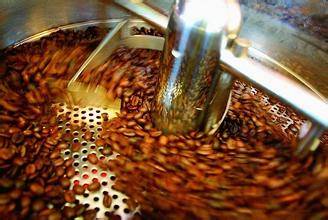
The basic chemical reaction that occurs during coffee roasting. The ingredients produced by the degree of coffee roasting.
Basic chemical reactions that occur during coffee roasting author: Carl Staub originates from the SCAA baking color classification system, developed by Agtron SCAA 1995 original text from: http://www.sweetmarias.com/roast.carlstaub.html translation: Grant, http://www.baristacn.com/forum/thread-1583-1-1.html in the roasting process
Roasting determines coffee taste Coffee Roasting basics
Generally, each coffee cherry contains two green beans, and the aroma is still hidden, waiting to be discovered. In raw beans, there is a lot of chloric acid. As it bakes, the chloric acid disappears, releasing familiar and pleasant fruit acids such as acetic acid, citric acid, and malic acid found in wine. Baked properly, these beautiful sour taste can be moderately presented; conversely,

The Historical and Cultural processing of Coffee
Coffee processing editors peel roasted coffee beans by mechanical, manual or other means to remove the peel and most of the flesh. Fermentation removes the mucus and film from the core by fermentation. as the length of fermentation time will affect the flavor of coffee, each manufacturer has its own fermentation time. The drying method is mainly divided into natural sun drying and natural air drying. Excessive water content

Where does coffee bitterness come from? What factors will produce coffee beans in the process of roasting and making
Professional coffee knowledge exchange More coffee bean information Please pay attention to coffee workshop (Weixin Official Accounts cafe_style) The most well-known bitter ingredient of coffee is caffeine, but the bitter taste brought by caffeine actually accounts for only 10% at most. This can be seen from the fact that roasted beans contain caffeine concentrations that are not affected by roasting, and decaffeinated coffee also has bitter tastes

Main ingredients and processing methods of Coffee
Main ingredients and processing methods of coffee caffeine: it has a particularly strong bitter taste and stimulates the central nervous system, heart and respiratory system. Appropriate amount of caffeine can also reduce muscle fatigue and promote digestive juice secretion. Because it promotes kidney function, it is diuretic and helps the body to expel excess sodium ions from the body. But eating too much can lead to caffeine poisoning. Tannic acid: boil

Sensory characteristics and main chemical components of coffee with different roasting degree
Professional coffee knowledge exchange more coffee bean information Please follow Coffee Workshop (Wechat official account cafe_style) Coffee is one of the most popular drinks in the world, the most commercially valuable varieties are Arabica and Robst. In this paper, Yunnan Arabica coffee and Indian Robster coffee were selected as the representatives of the two species, and two kinds of coffee with different roasting degrees were studied.
The non-enzymatic browning reaction of coffee roasting what happens to the caramelization reaction?
Baking basic science-browning reaction non-enzymatic browning reaction (Nonenzymatic Browning) non-enzymatic browning reaction is different from enzymatic browning reaction, non-enzymatic browning reaction does not need enzymes, but its reaction requires heat, sugar and amino acids. There are two non-enzymatic browning reactions related to coffee roasting: caramelization (caramelization recation) and Maillard reaction (Ma).
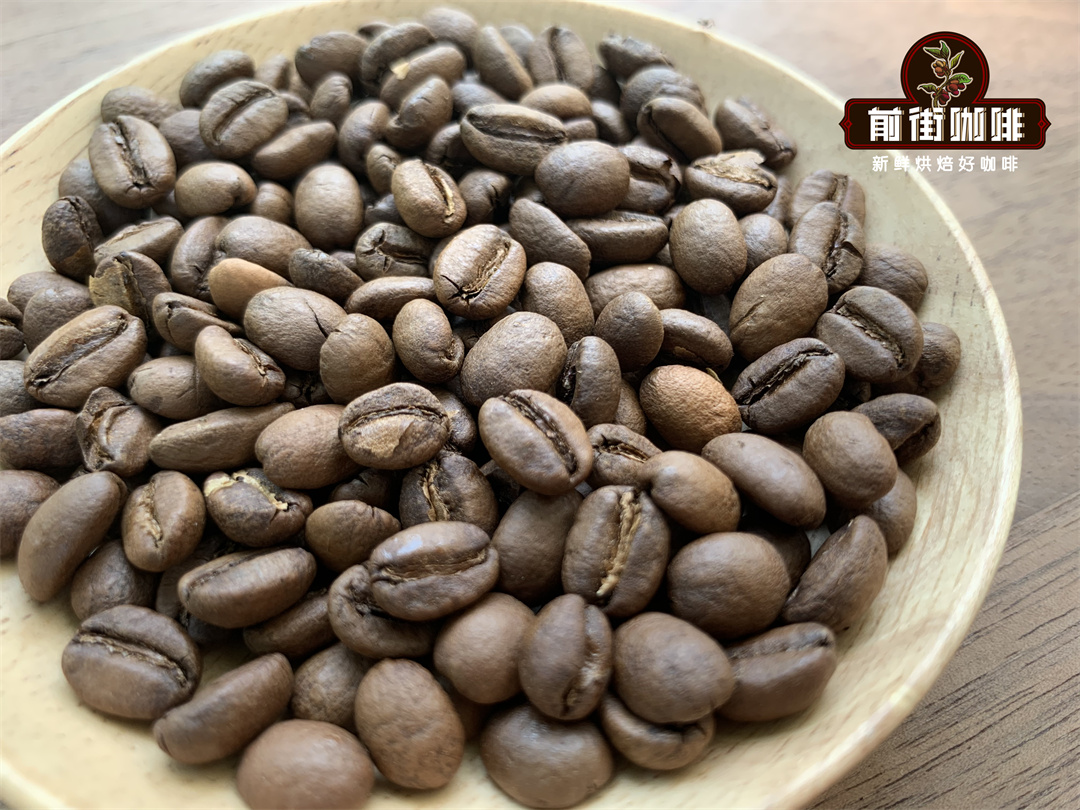
The changes brought about by roasting coffee beans, the sour and bitter rules of coffee beans taste
Professional coffee knowledge exchange more coffee bean consultation Please pay attention to the changes brought about by roasting coffee beans in the coffee workshop (Wechat official account cafe_style). The sour and bitter law of coffee the taste of coffee is generally made up of bitterness and sour taste, but where do these tastes come from? In addition, why does the balance of bitterness and sour taste change with baking? Front
Where does the bitterness come from? Does roasting add bitterness to coffee?
Professional coffee knowledge exchange More coffee bean information Please pay attention to coffee workshop (Weixin Official Accounts cafe_style) Front Street Coffee Brief Description Where does the bitterness in coffee come from? Does roasting add bitterness to coffee? When baked, chlorogenic acid changes and breaks down. Although the main bitterness in coffee comes from chlorogenic acid, chlorogenic acid itself is not bitter! Chlorogenic acid when baked

A correct understanding of the sour roasting degree and PH value of coffee determines whether the coffee acid is good or bitter.
Professional coffee knowledge exchange more coffee bean information Please follow the coffee workshop (Wechat official account cafe_style) Coffee sour source pleasant sour and unpleasant sour understanding of coffee sour lady, why today's breakfast coffee drink sour, I do not like, can you give me a cup of unsour coffee? This problem has always plagued coffee industry. Most people mistakenly think

Introduction to coffee roasting training-basic chemical reactions in the coffee roasting process
Professional coffee knowledge exchange more coffee bean information please follow the coffee workshop (Wechat official account cafe_style) Coffee roasting skills Collection | the purpose of coffee roasting and the characteristics of coffee beans except in the home-barista.com forum, the word MET is rarely seen. MET is not a number, but the most time segment in the whole baking process.

Why do coffee beans turn brown after roasting? Why is there an aroma?
Coffee beans are light green and turn brown when roasted. This baking characteristic brown mainly comes from the brown pigment produced by oligosaccharins, amino acids and chlorogenic acids. The so-called brown pigment does not refer to a color or ingredient, but a general term for the many ingredients that make coffee different colors. Raw beans gradually change color during baking because of the total amount of brown pigment